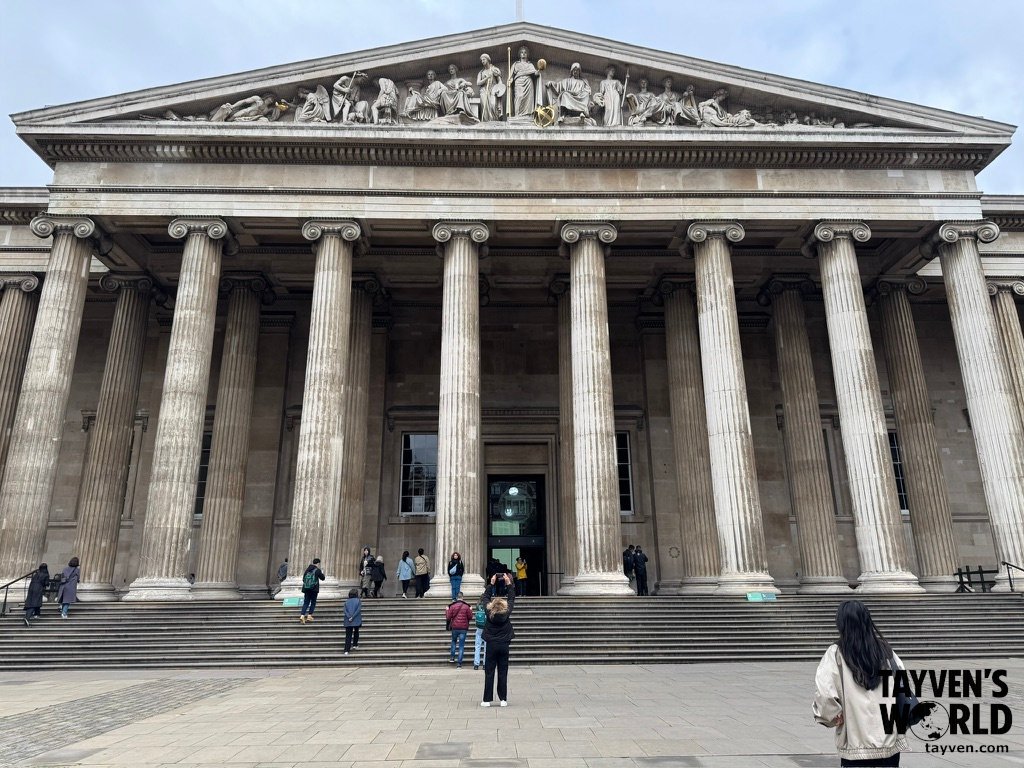
Visiting the British Museum for the first time is one of those essential London experiences, a mix of ancient history, iconic artefacts, and breathtaking architecture under the Great Court’s glass dome. This guide blends our real first‑time visit with practical tips, transport details, and the small human moments that made our morning unforgettable. If you’re planning your own trip, this story‑driven guide will help you know what to expect, what to see, and how to make the most of your time in Bloomsbury. This story is written as my British Museum First-Time Guide, blending real experiences with practical tips to help you plan your own visit.
A Morning in Bloomsbury
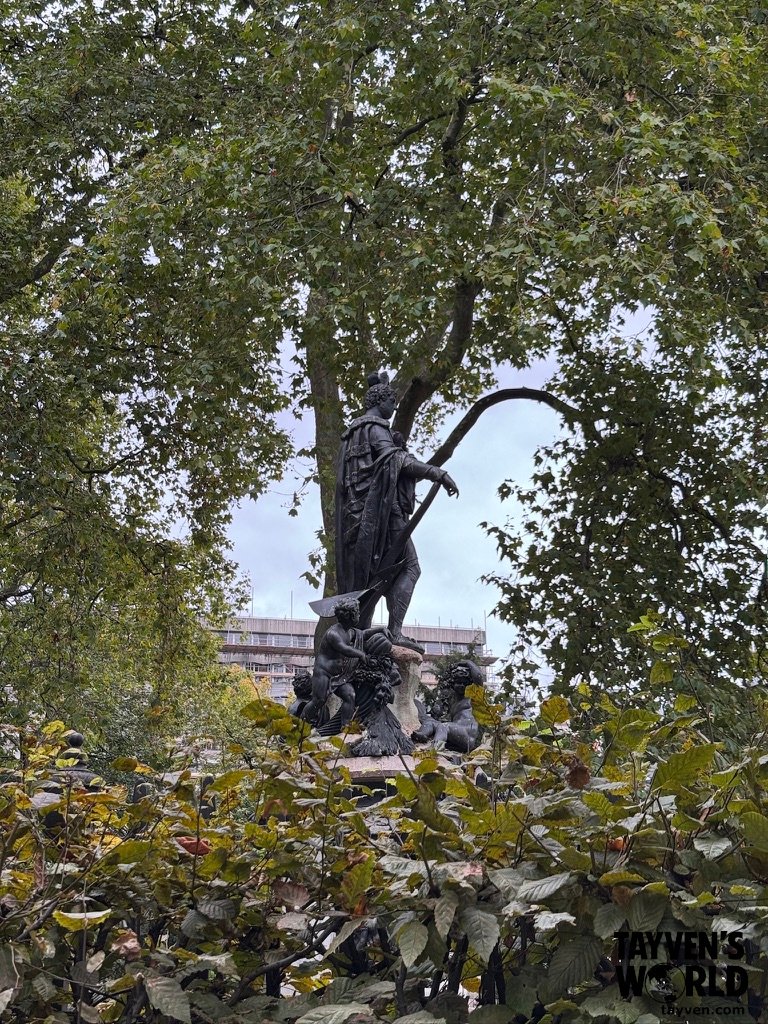
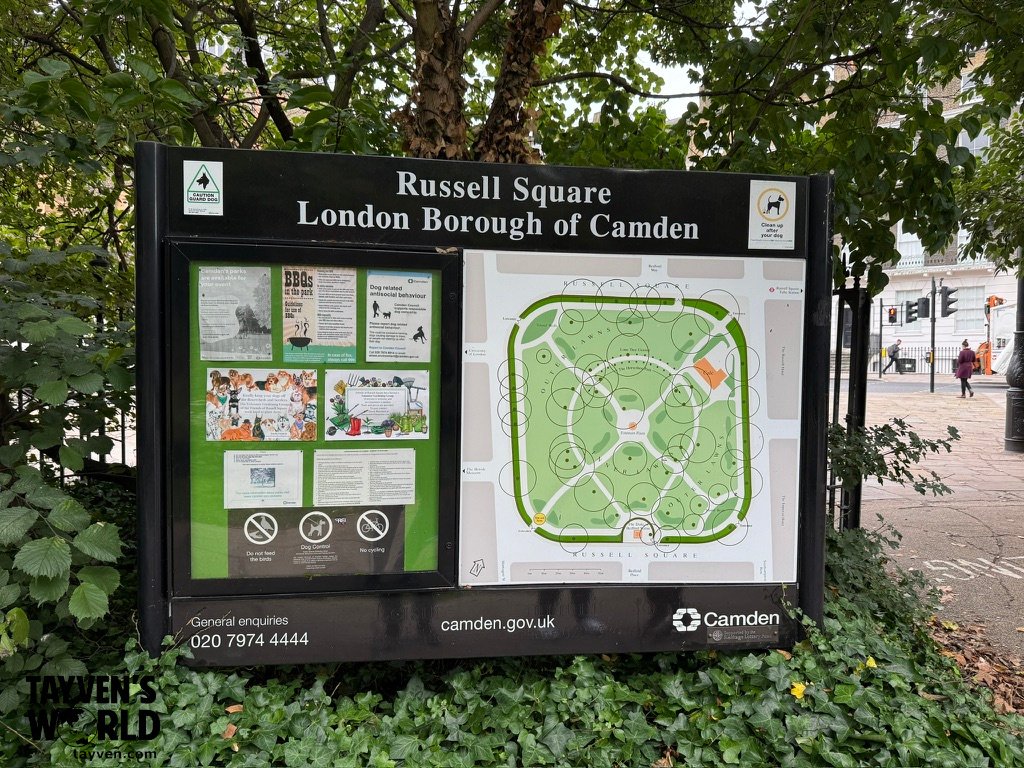
We started the morning with a short walk to Costa for a coffee and a toastie, nothing fancy, just the kind of quick breakfast that keeps you moving. The British Museum was close by, so instead of rushing straight there, we wandered over to Russell Square, a quiet little park in Bloomsbury. The weather was fantastic, warm and bright, which felt like a gift in London.
We found a bench, called family back home for a quick trip update, and took a slow lap around the statues and gardens. It was one of those calm pockets of the trip where you feel like you’ve got all the time in the world.
When opening time got close, we headed over to the museum and immediately felt grateful that I’d booked our tickets months in advance. The queue wrapped around the entire block, and it’s a big block. Even with timed entry, we still had to join the line, but at least the sunshine made the wait bearable. After a slow shuffle forward and a round of security checks, we finally stepped inside.
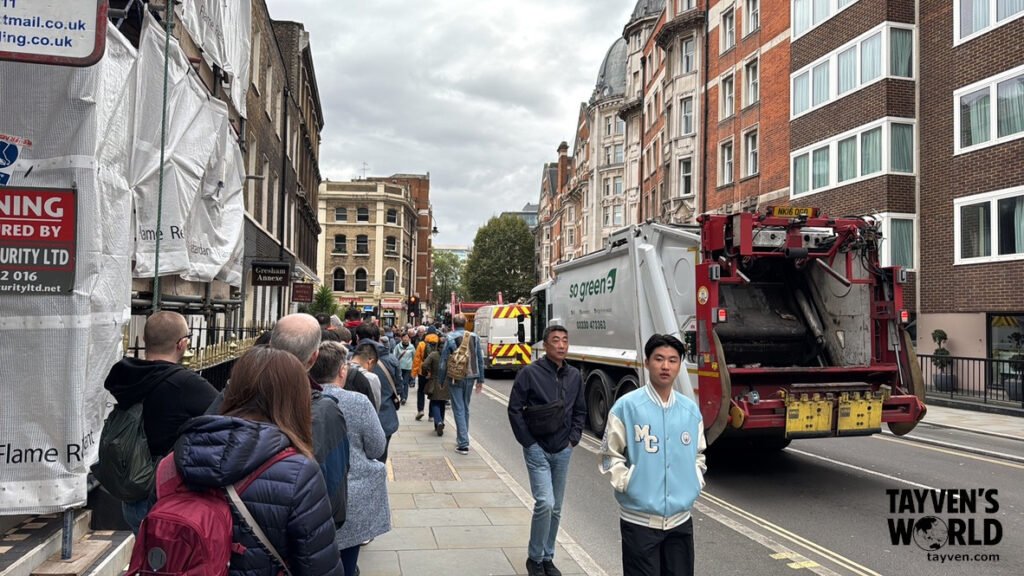
The Façade and the First Impression
The British Museum doesn’t do subtle. Its façade is enormous, a sweeping Neo‑classical front designed in the 1820s by Sir Robert Smirke. Forty‑four Ionic columns rise across the portico, all Portland stone and Roman‑inspired geometry. It looks like it was built to impress an empire, because, well… it was.
But the real moment happens when you step inside.
The Great Court and the Glass Dome
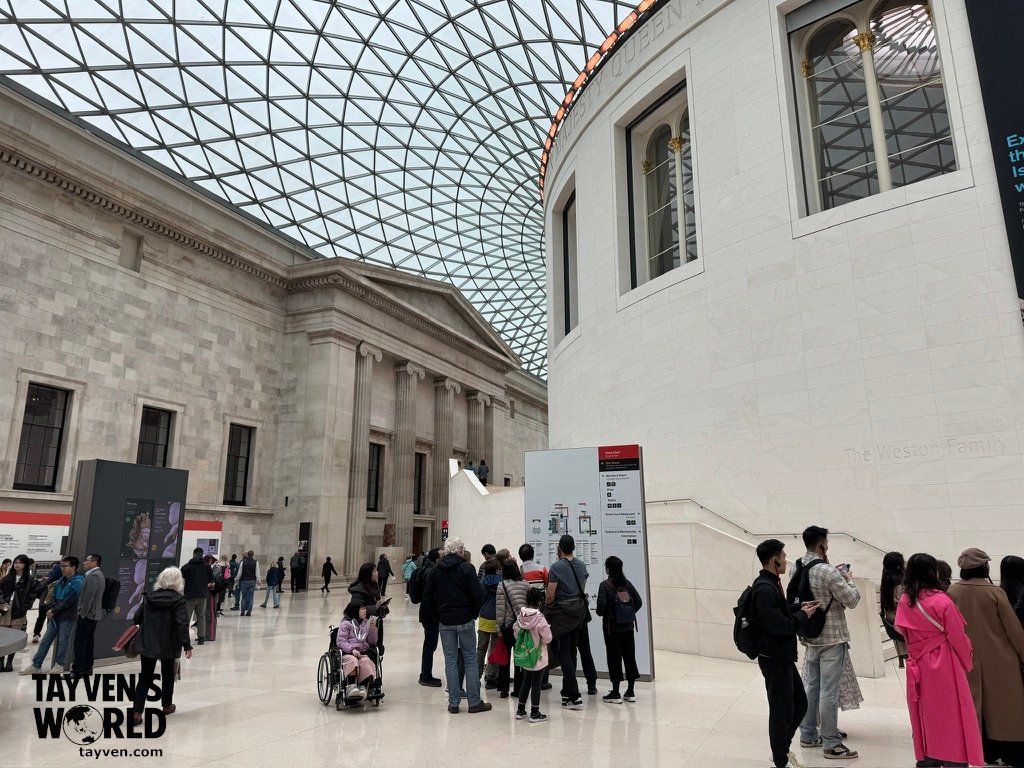
The interior opens into the Great Court, a vast, bright space redesigned by Foster + Partners in 2000. The glass‑and‑steel roof the largest covered public square in Europe stretches across the entire courtyard. Light pours through it in a way that makes the whole place feel airy and almost futuristic, even though the museum itself dates back to 1753.
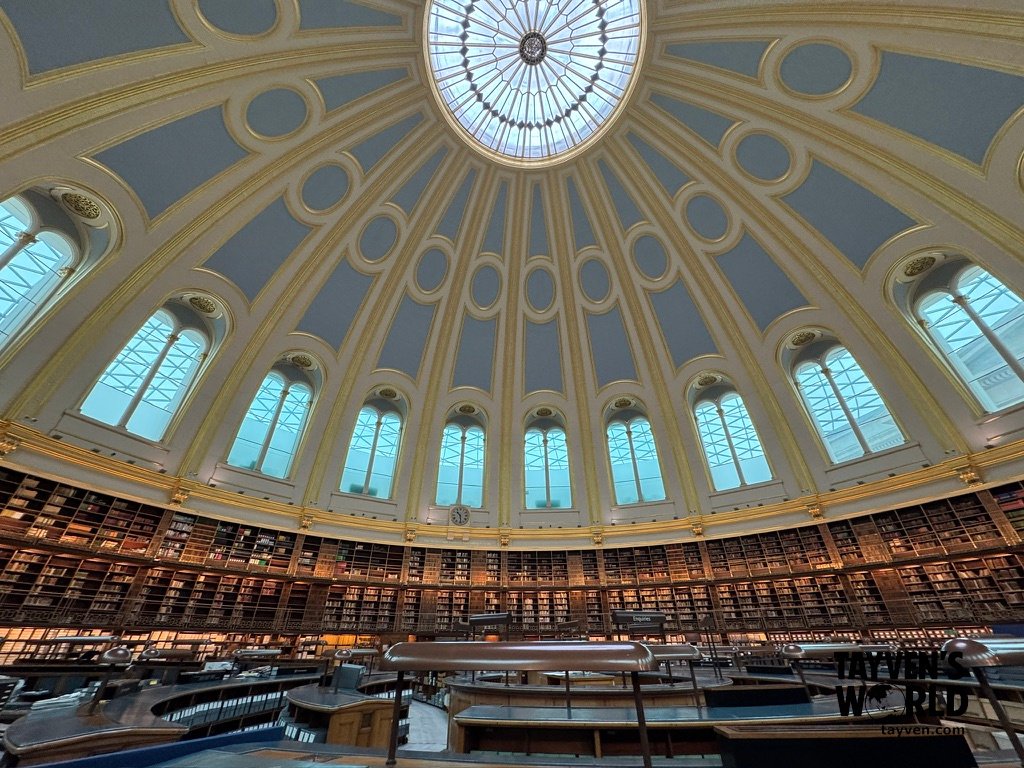
We stood there for a moment, looking up at the dome and the circular Reading Room at its centre. It’s one of those architectural spaces that makes you stop mid‑step.
Exploring the Galleries
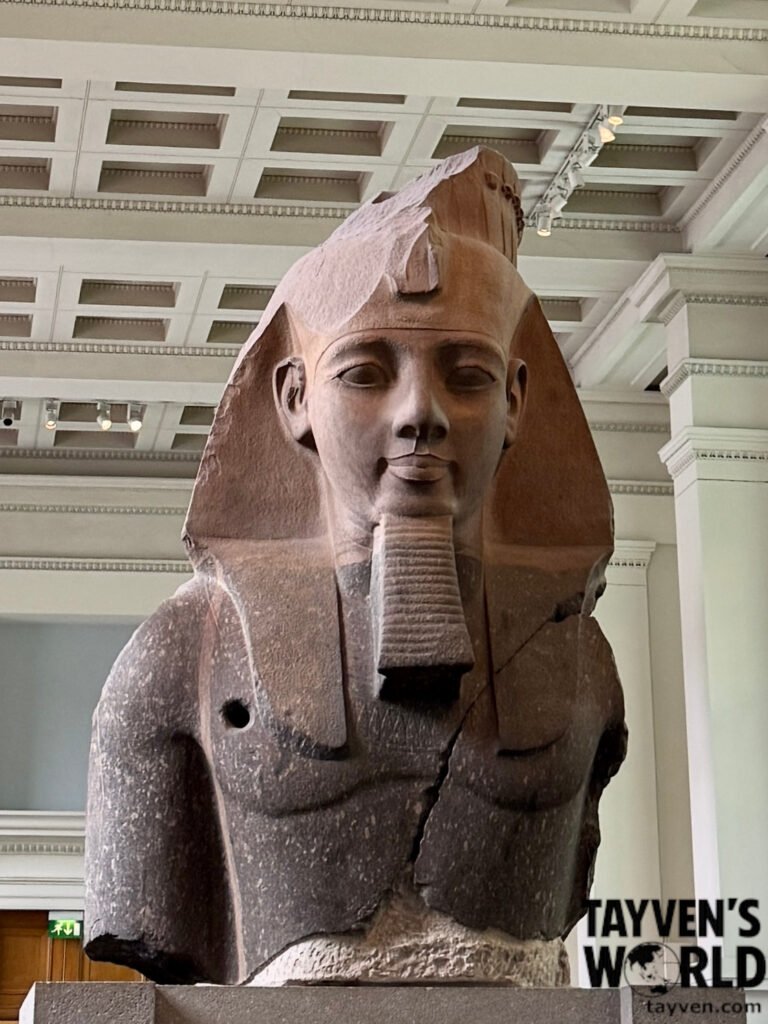
We headed straight for the Egyptian section of the British Museum, and it’s impossible not to be blown away. The scale, the detail, the sheer age of everything. One of the first spaces we walked into was this enormous hall filled with giant Egyptian statues. The room felt almost cathedral‑like, with stone figures and the standout was the Colossal Bust of Ramesses II, a massive granite head carved for a king who clearly expected to be remembered forever.
From there, we drifted toward one of the museum’s most famous objects: the Rosetta Stone. And right as we reached it, we discovered that one of our phones had locked itself for an hour. The culprit? Our slim anti‑theft bag, the one designed to protect the phone, had somehow mashed the buttons with all the wrong button combinations and triggered a full lockout. That case went straight into the bin.
Luckily, we still had another phone for the all‑important Rosetta Stone selfie, and we ended up laughing about it more than anything. We even bought a Rosetta Stone keyring from the gift shop as a memento, a tiny reminder that even in the middle of ancient history, modern technology can still betray you.
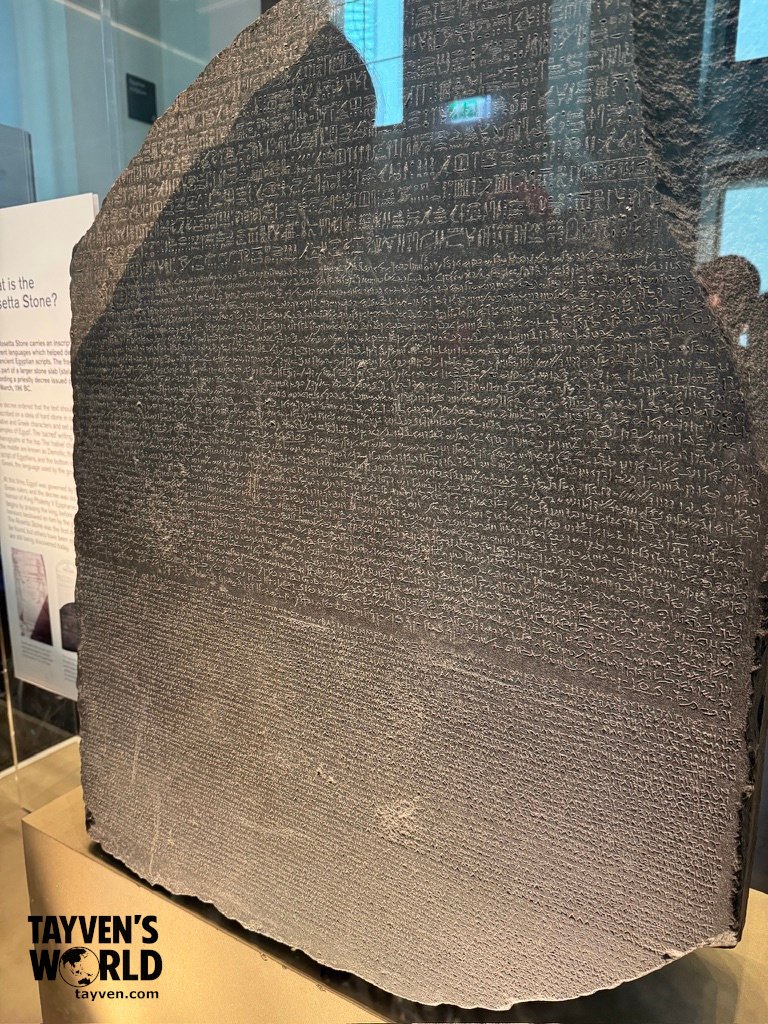
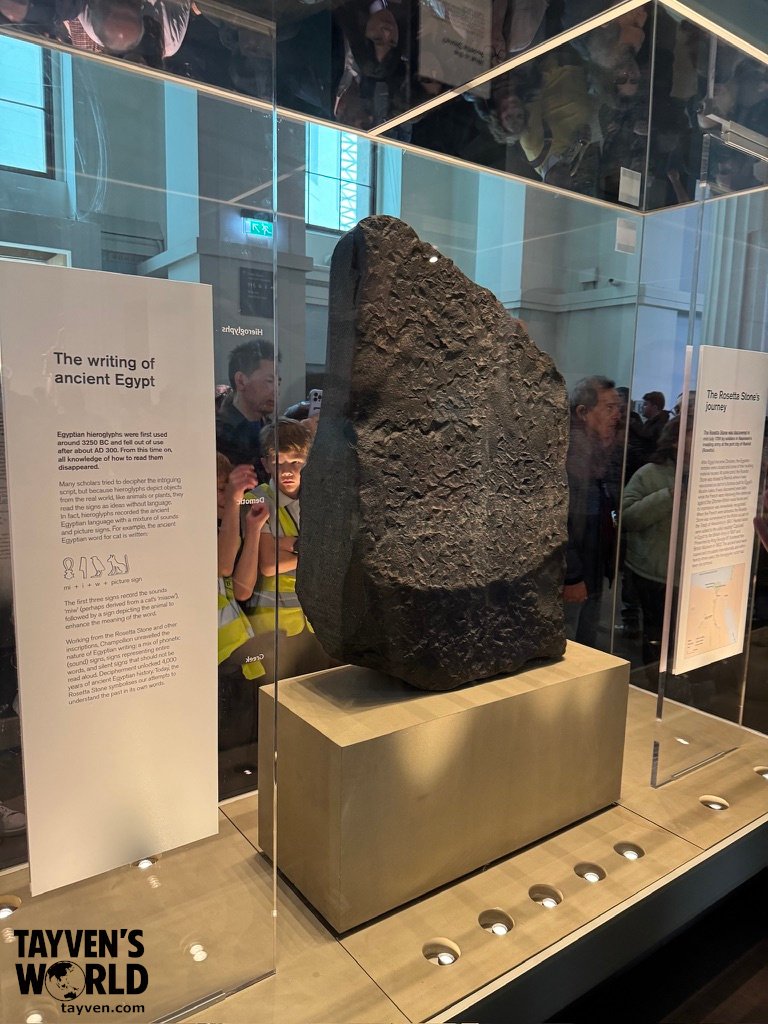
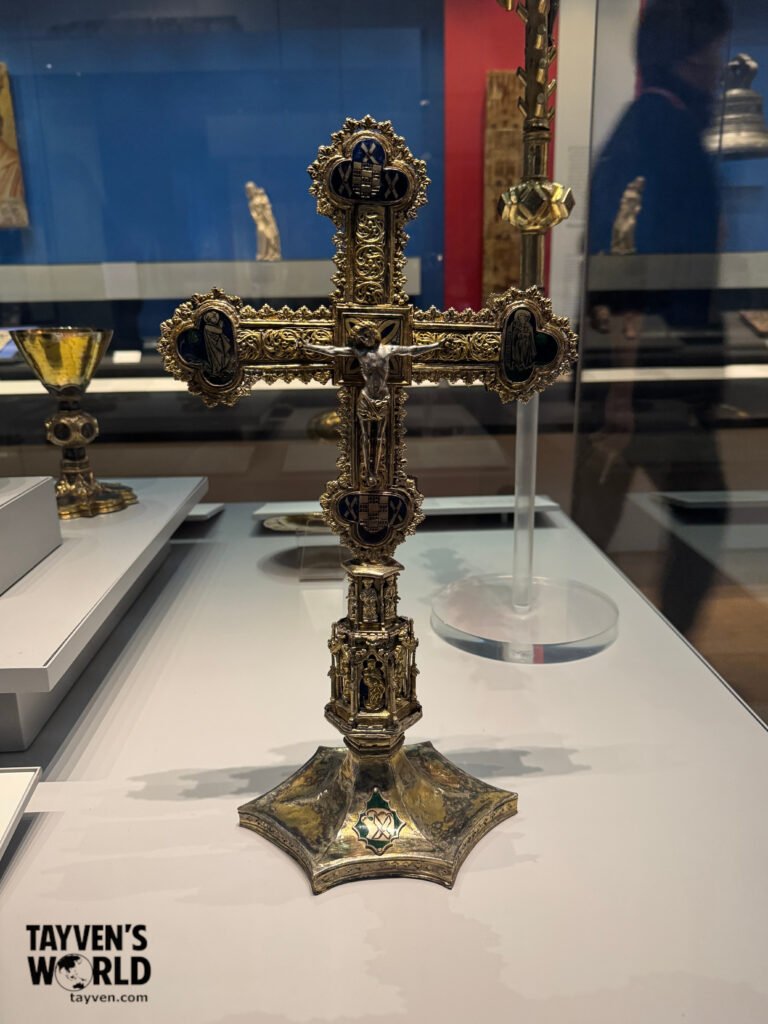
After that, we wandered deeper into the museum: past the Egyptian mummies and coffins, through an enormous old library room, and into a section of Christian artefacts. We eventually found ourselves in front of the Parthenon Sculptures, which are breathtaking in scale, entire marble panels carved with scenes of gods, horses, and ancient festivals.
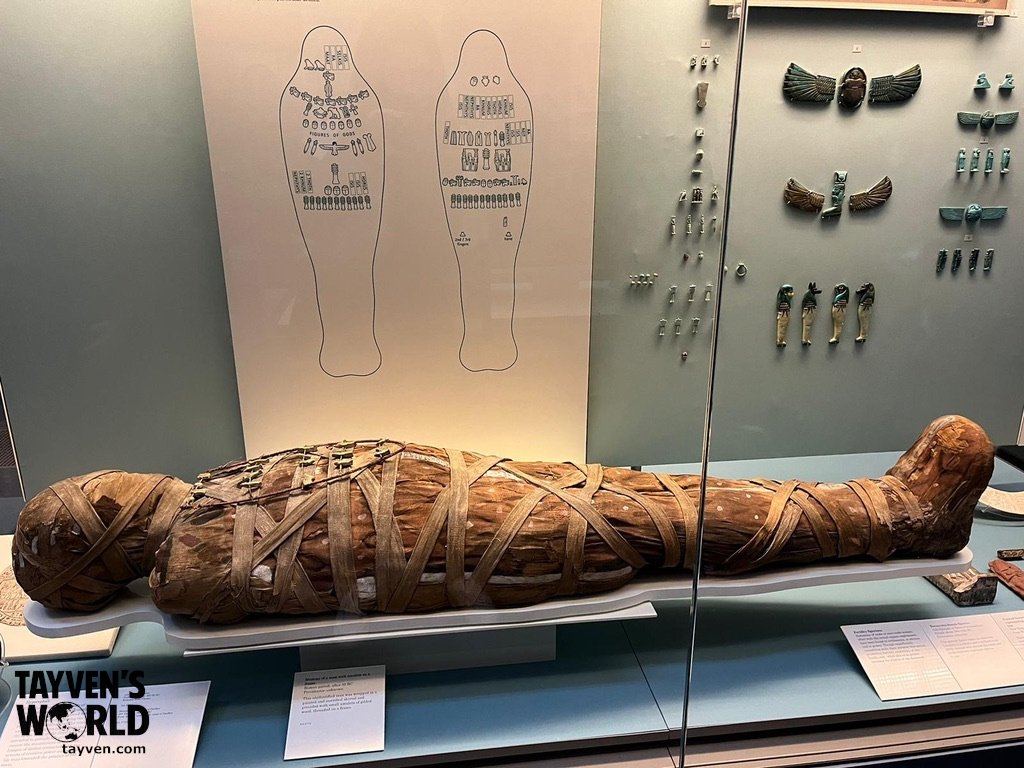
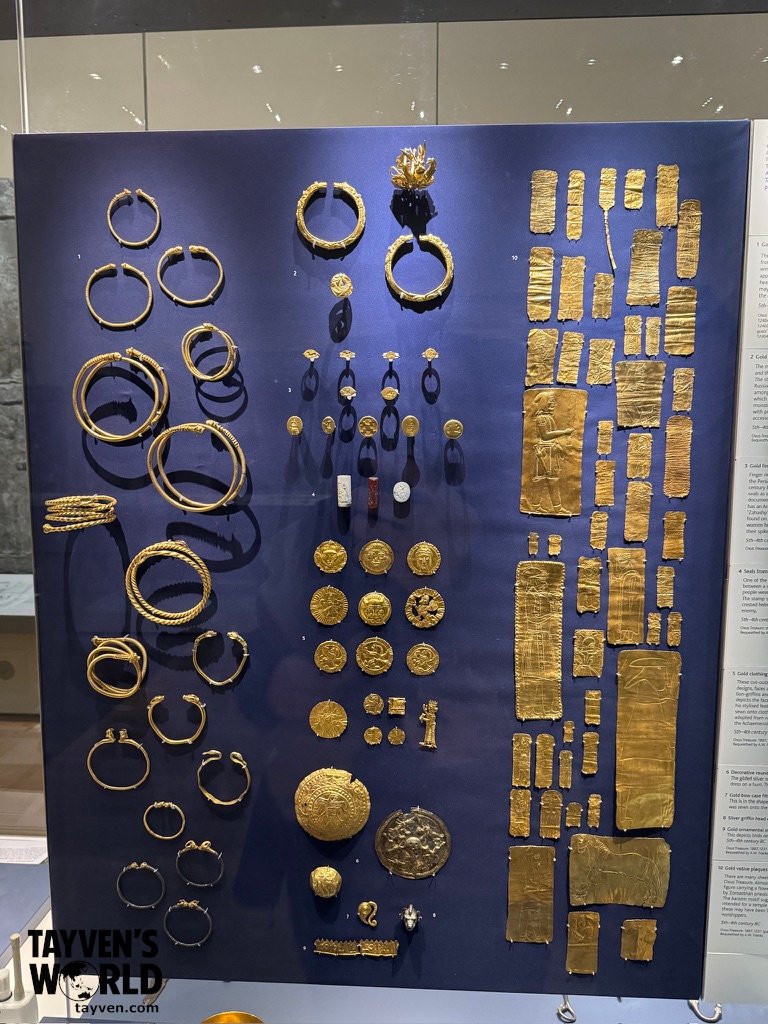
A few rooms later, we stepped into the Assyrian galleries, where the lion hunt reliefs stretch across the walls. The detail is incredible, muscles, arrows, movement, emotion, all carved into stone thousands of years ago.
From there, we drifted into the Roman rooms, filled with marble statues of emperors, gods, and mythological figures. Some were headless, some missing arms, but all had that unmistakable Roman confidence, carved robes, stern expressions, and craftsmanship.
We kept moving, drifting through civilisations: the Sutton Hoo treasures with their Anglo‑Saxon helmet and goldwork; the Benin Bronzes, intricate and powerful; and the unforgettable Hoa Hakananaiʻa, the Easter Island statue.
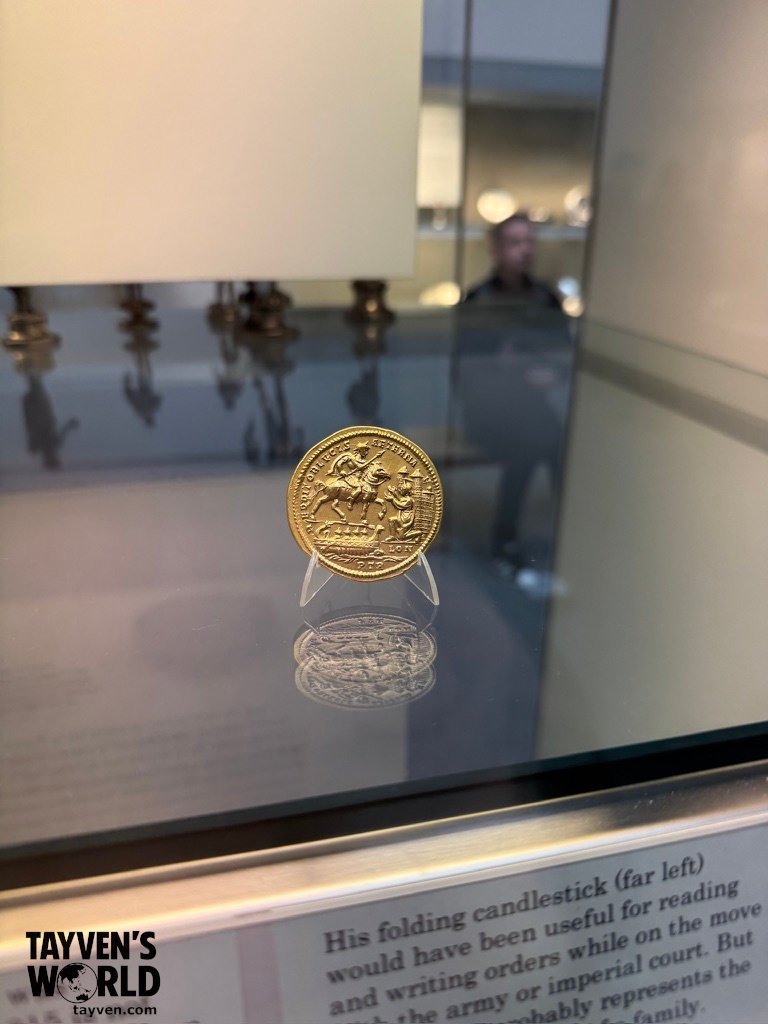
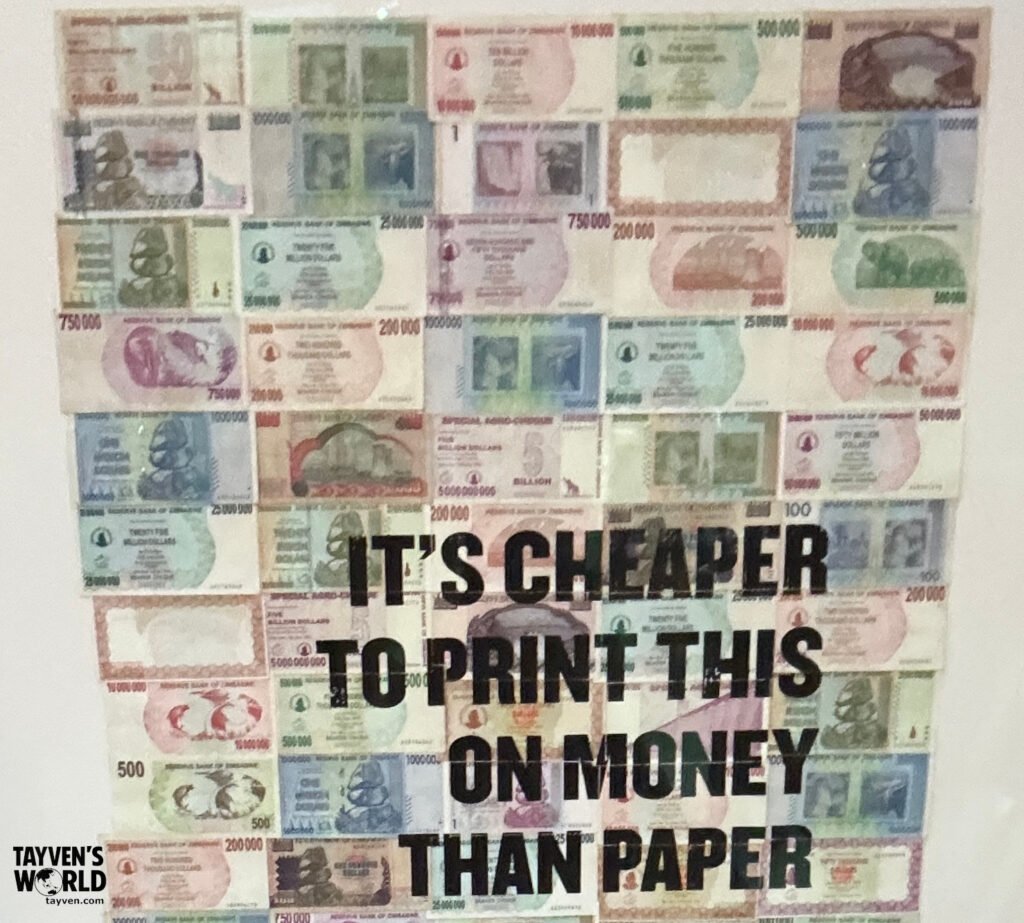
Eventually we reached the money gallery, which ended up being one of the unexpected highlights. Ancient gold coins, historic British sovereigns, and a display on hyperinflation that casually mentioned it had become cheaper to print on banknotes than on paper. It’s the kind of detail that sticks with you.
The museum is endless. Every corridor leads to another gallery, every gallery leads to another civilisation. I could have spent an entire day there and still missed half of it.
Saying Goodbye and Hello to a Very British Brunch
As we stepped back outside and said goodbye to the museum, we found ourselves talking about everything we’d just seen. The scale of the Egyptian statues, the Rosetta Stone, the mummies, the coins, the sheer amount of history packed into one building. It’s the kind of place that leaves your brain buzzing.
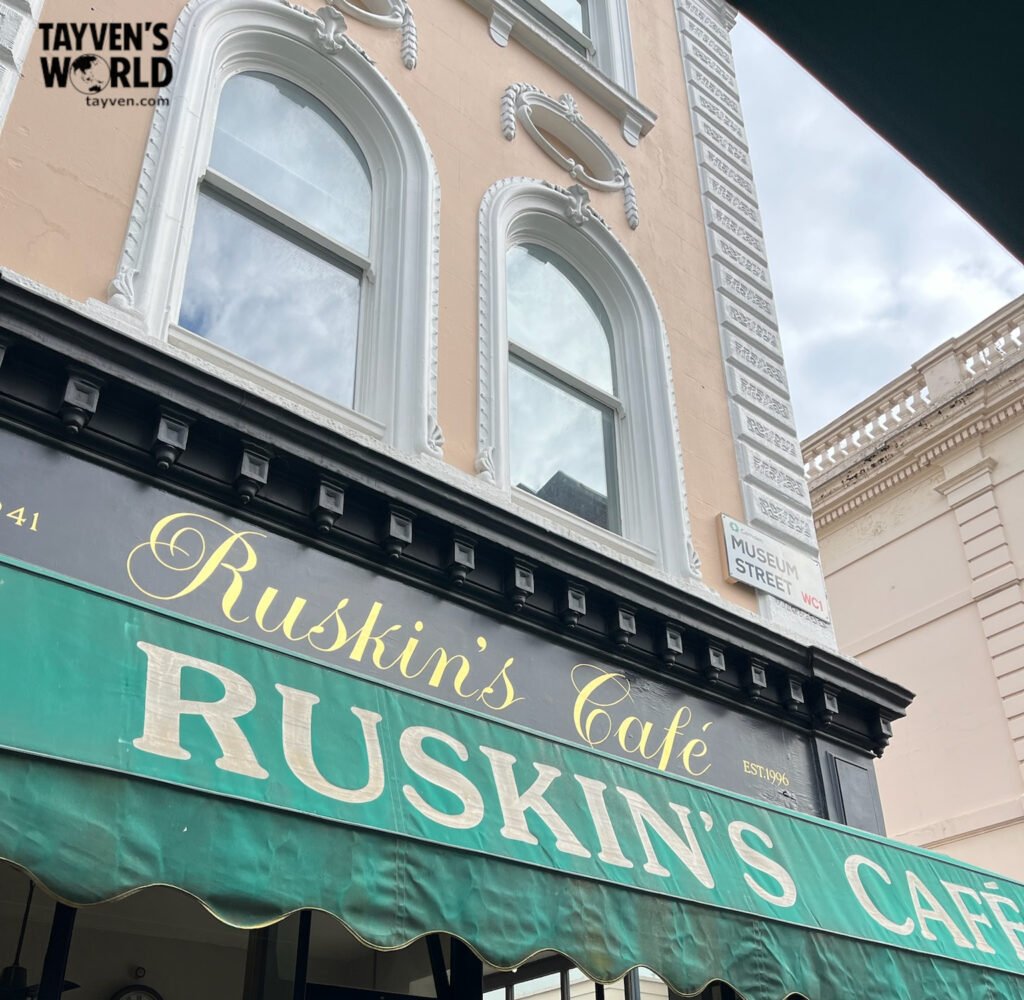
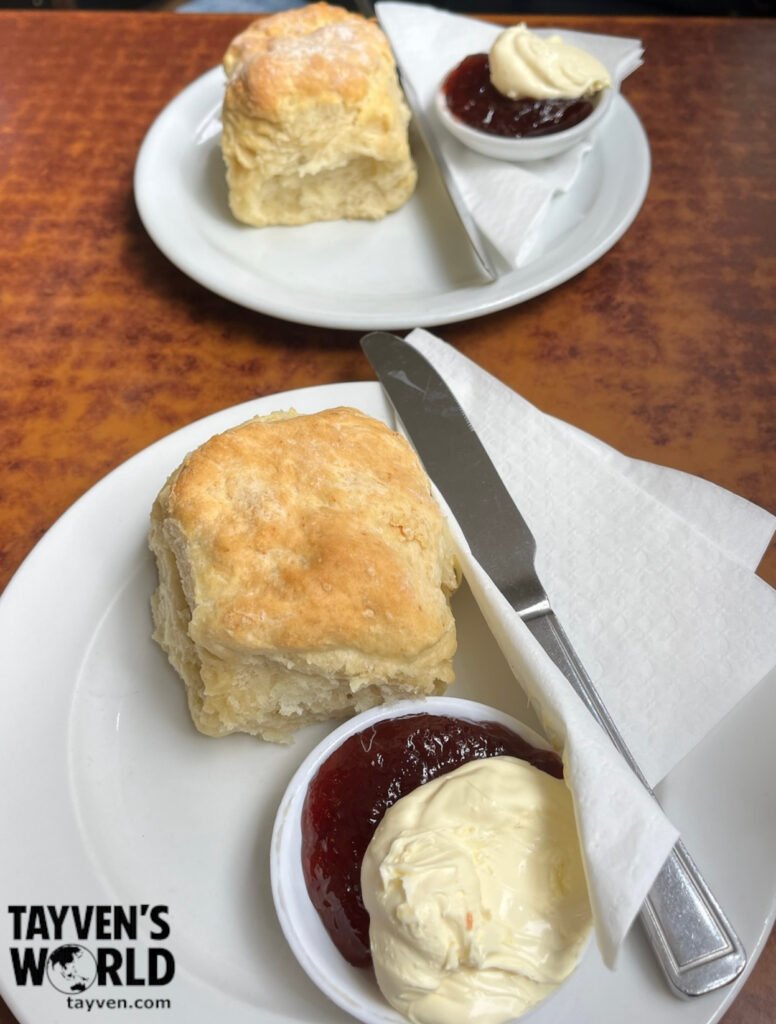
By this point we were starving, so we crossed the road in search of brunch and stumbled on a small café serving authentic British scones with jam and cream. They instantly reminded me of my Nan’s home‑cooked scones. Warm, soft, and absolutely delicious. We paired them with tea, and it felt like the perfect British moment to wrap up our morning at the museum.
Once we’d finished, we headed for the Tube, ready for our next London adventure – the London Eye.
Quick Guide: Visiting the British Museum
What’s on Display
- The Rosetta Stone
- The Parthenon Sculptures
- Egyptian mummies and coffins
- Assyrian lion hunt reliefs
- The Sutton Hoo treasures
- Benin Bronzes
- Hoa Hakananaiʻa statue
Tickets & Costs
- General admission: Free
- Special exhibitions: Have an entry free
- Opening hours: 10:00–17:00 (Fridays until 20:30)
Booking ahead is essential queues often wrap around the block.
How to Get There
Address: Great Russell St, London WC1B 3DG, United Kingdom
Closest Tube stations:
- Tottenham Court Road – 5 minutes
- Holborn – 8–10 minutes
- Russell Square – 9 minutes
Where to Eat Nearby
- Museum Tavern – classic Victorian pub across the road
- Local cafés on Great Russell Street
- Covent Garden restaurants (10–12 minutes’ walk)
Nearby Attractions
- Russell Square Gardens
- The British Library
- The Charles Dickens Museum
- Soho & Covent Garden
- West End theatres
The British Museum is more than a collection of artefacts, it’s a journey through human history, architecture, and culture, all in the heart of Bloomsbury. Whether you’re here for the Rosetta Stone, the Great Court, or simply to wander through centuries of civilisation, it’s a must‑see for any London itinerary. Book ahead, arrive early, and leave time to explore the neighbourhood. Your first visit won’t be your last.
More London & Europe Travel Articles
London Series:
- Our Real 5‑Day London Itinerary: What We Planned vs What Actually Happened
- St Paul’s Cathedral London: History, Blitz Survival, Tickets, Tube Guide & Our First-Day Experience
- Westminster Abbey: A First‑Timer’s Guide (Tickets, Tips & What to Expect)
- London Eye: A First‑Time Visitor’s Experience Above the Thames
- Battersea Power Station: From Industrial Giant to London’s Newest Urban Playground
- A Perfect Day in South Kensington: Museums, Parks & Retro Gaming Nostalgia
- River Cruise Along the Thames: From Buckingham Palace Mornings to Bloomsbury Nights
- Our Final Day in London: Royal Dawn, Parliament Secrets, West End Magic, and the Feeling of Not Wanting to Leave
Paris Series:
- London to Paris on the Eurostar: A First‑Timer’s Story & Complete Guide
- Paris Day 2: A Rainy Start, a Seine River Cruise, and Paris Finally Opening Up
Europe Series: