London rewards early risers. If you start your morning in the parks around Buckingham Palace and follow the quiet streets toward Westminster, you get to see the city before it fully wakes up, the light is softer, the crowds are thinner, and the landmarks feel bigger. That’s exactly how we ended up at Westminster Abbey for our first visit, coffee in hand, ready to see one of the most historic buildings in the world.
A Perfect London Morning: Green Park, The Ritz & Squirrels
It was an absolute pearler of a London morning. Clear blue sky, crisp cool air, the kind of weather that makes walking a city feel effortless. We jumped on the Piccadilly line from Russell Square and popped out at Green Park Station, where the perfectly manicured park opened up in front of us like something out of a postcard.
As we walked toward Starbucks, we stopped for photos in front of The Ritz, which, honestly, I didn’t even realise was a real place. I always thought “this place is like the Ritz” was just a saying people used when something felt fancy. Turns out it’s very real, very fancy, and very photogenic.
We grabbed croissants and large cappuccinos (probably the fourth time in my life I’ve been to a Starbucks, they famously failed in Australia years ago) and wandered back into Green Park to enjoy them.
The squirrels were out in full force, little furry rockets darting around the trees. A kind man walking past handed my son a packet of walnuts and said, “Here, feed these to the squirrels.” So we did exactly that, feeding squirrels as we strolled toward Buckingham Palace and making WhatsApp calls back home to show everyone where we were.
I had a bit of fun calling people and saying, “Hey, has anyone ever called you from Buckingham Palace? No? Well… now they have.”
Buckingham Palace at 8:30am – The Best Time to Visit
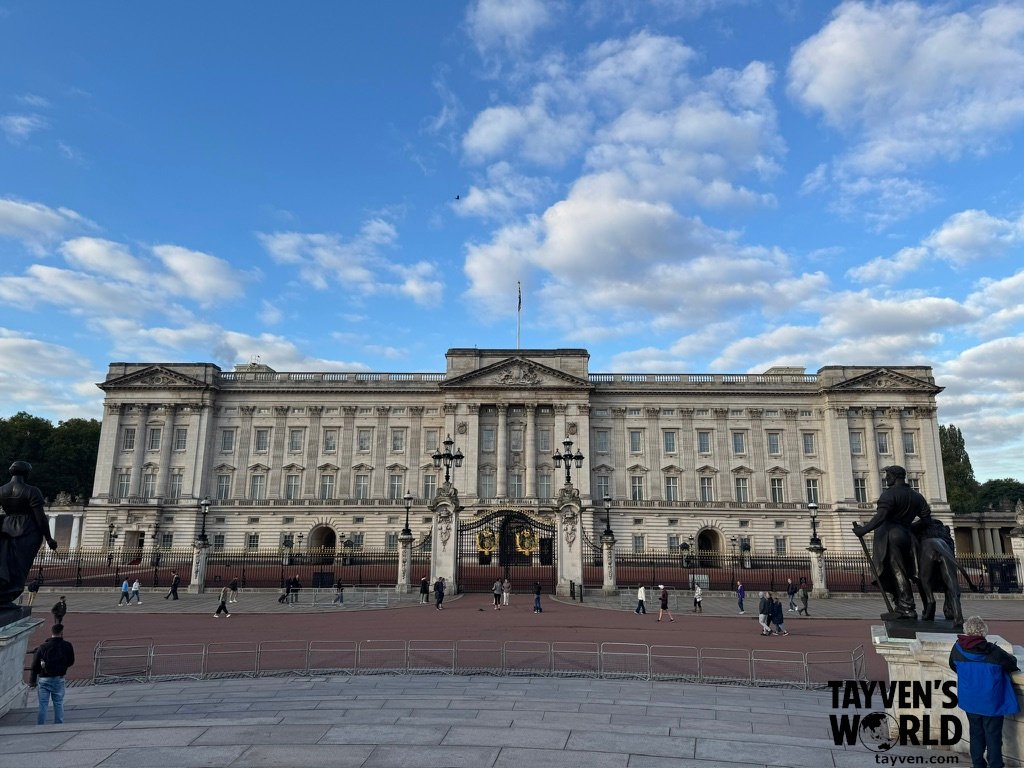
We reached Buckingham Palace around 8:30am, early enough that it felt like we had the place to ourselves. The early birds were out, but the crowds weren’t. It was peaceful, calm, and honestly a perfect way to see such an iconic place.
You can tour Buckingham Palace, but only when the King is not home. Tours weren’t running while we were in London, so he must’ve been home, though he didn’t pop out to say hello.
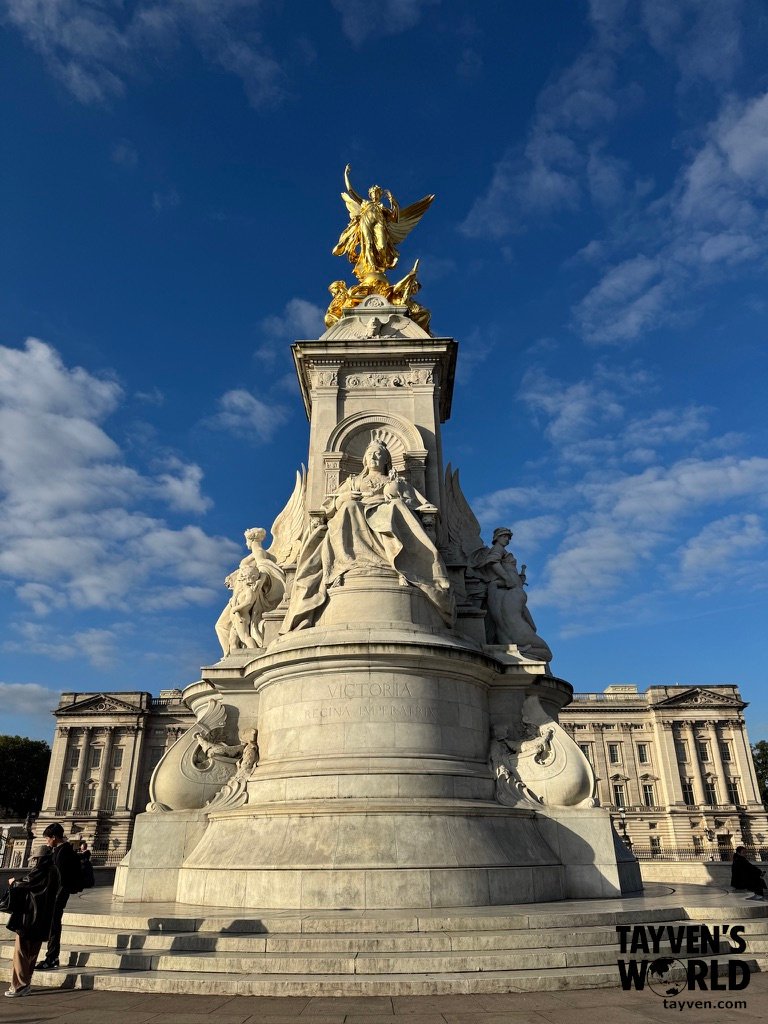
The Queen Victoria Memorial dominates the space in front of Buckingham Palace, its massive, bright, and topped with a gold figure of Victory. Sir Thomas Brock designed Victoria seated at the centre, framed by the figures of Truth, Justice, and Motherhood, with Victory, Courage, and Constancy rising above in gold. The bronze lions at the base ground the whole monument, completing a symbolic tribute to the values the Empire tied to Victoria’s reign.
We took the required photos at the big gates, walked through the Australia Gate, and headed into St James’s Park.
St James’s Park – A Small Park With Big Vibes
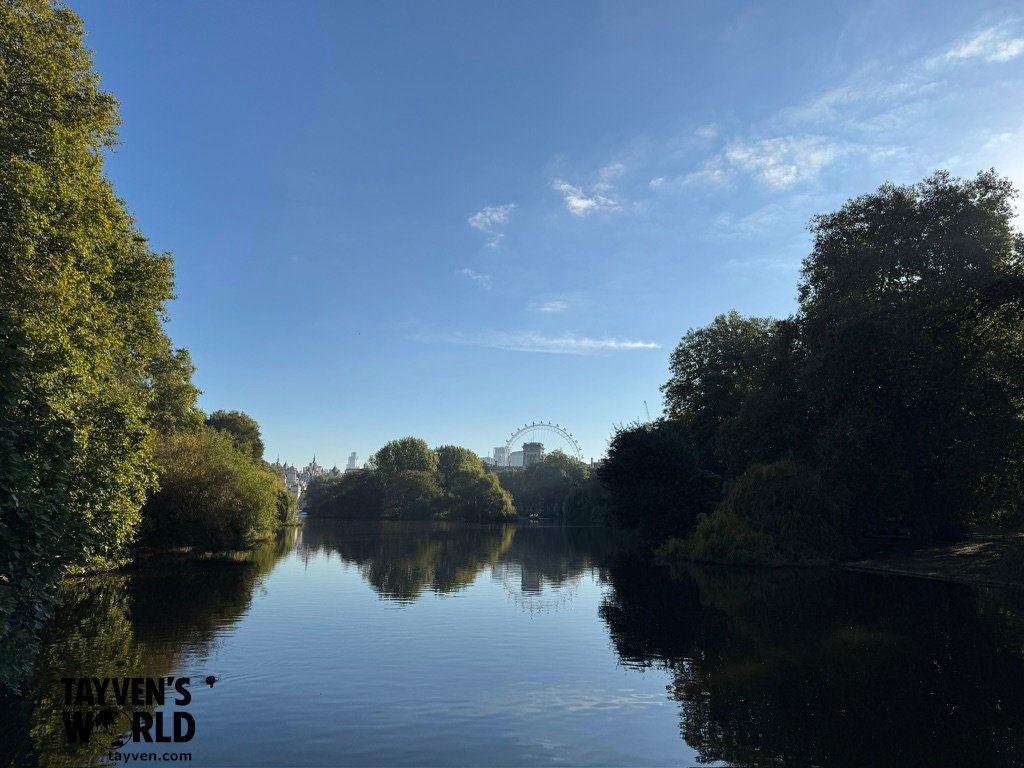
If you liked Green Park, St James’s Park is like its more charming little sibling. Ponds, ducks, squirrels, and the London Eye poking above the tree line. The reflections on the water were incredible. It was such a relaxing way to start the day.
And then it was time for the main event.
Arriving at Westminster Abbey – Book Early, Trust Me
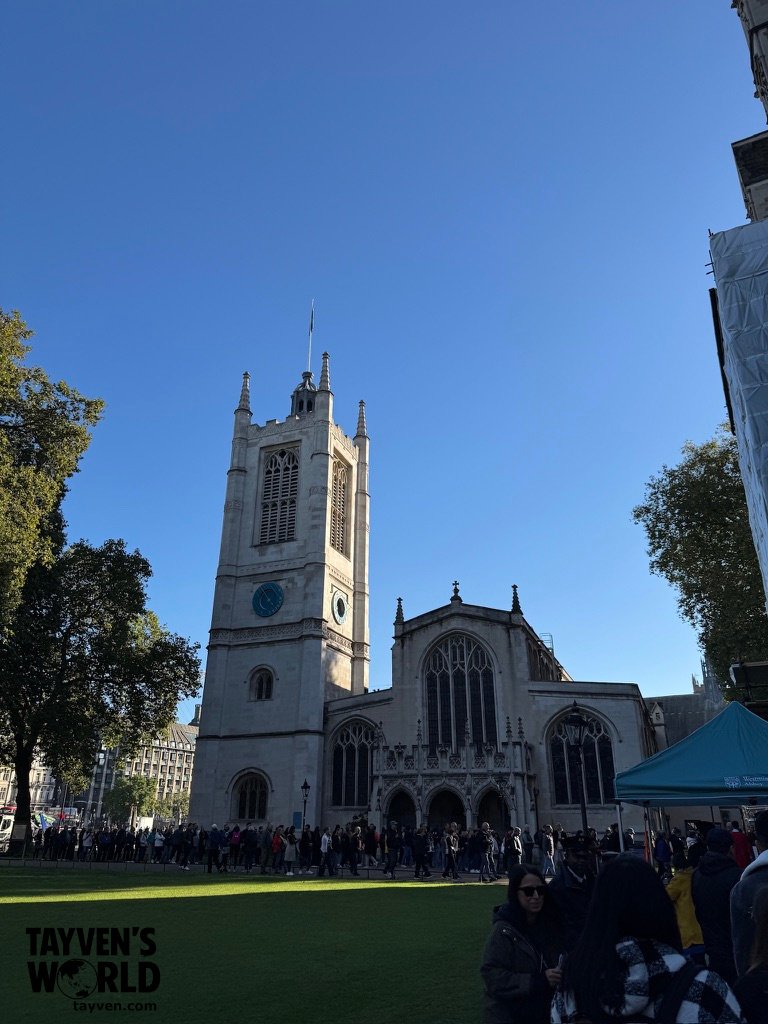
Because we wanted to make the most of our time in London, I booked the first entry slot of the day for Westminster Abbey. We arrived around 9:30am to a massive line, but because I’d booked tickets months earlier, we walked straight in.
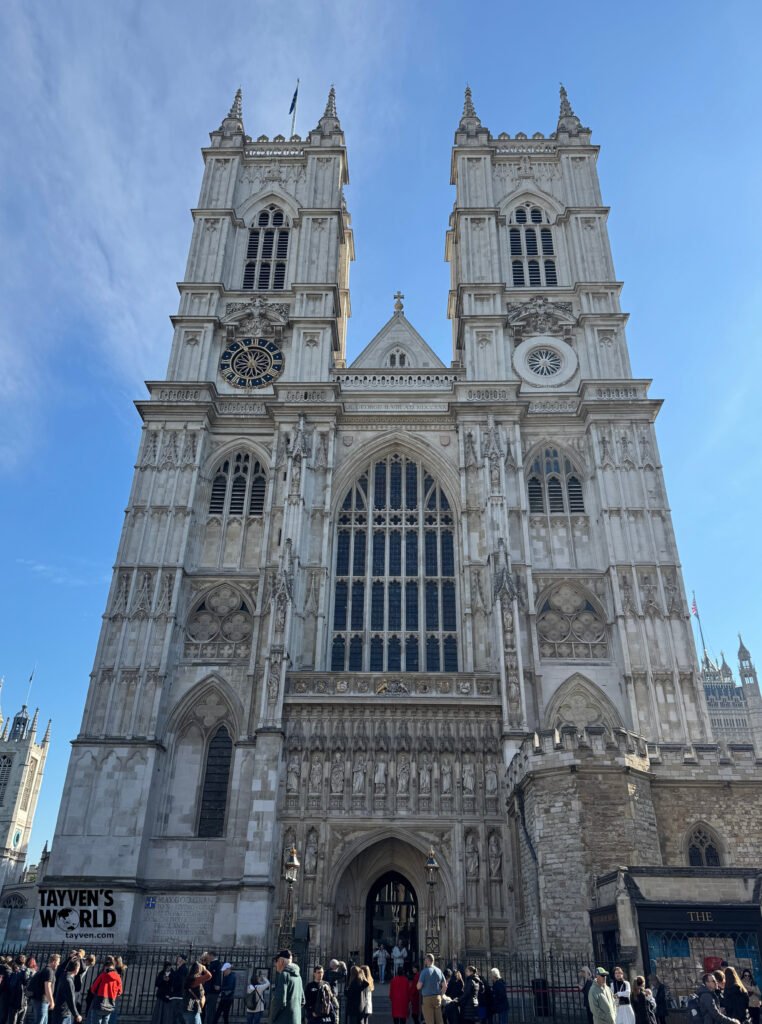
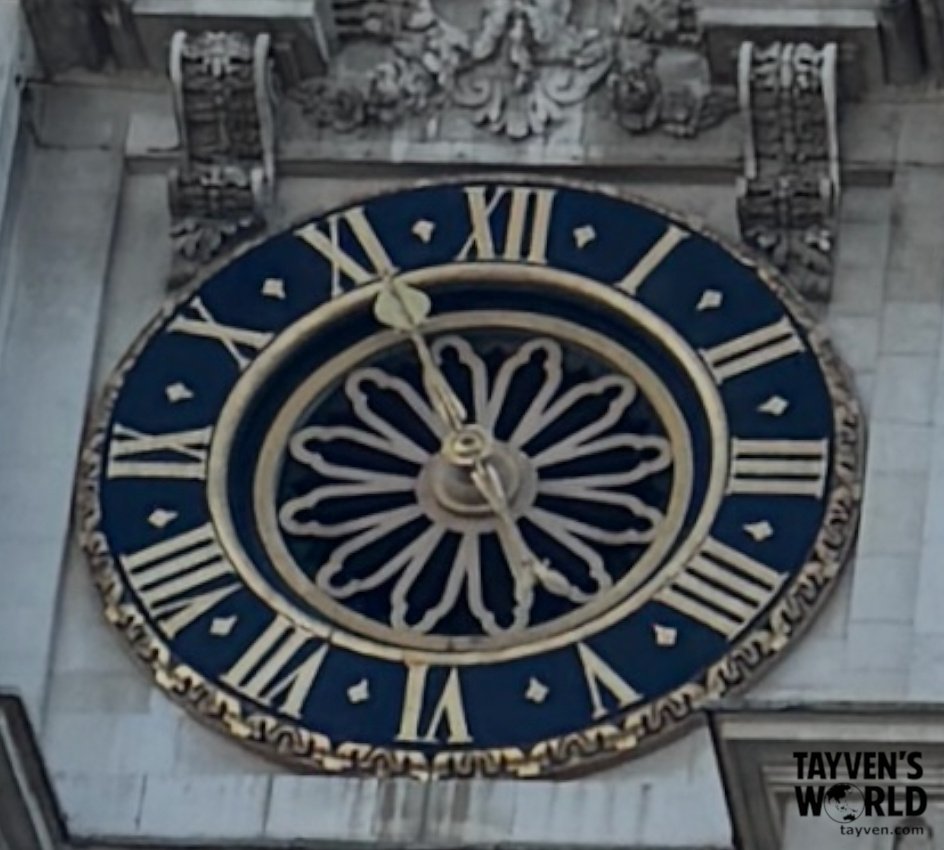
The outside of Westminster Abbey is stunning! Classic English Gothic architecture, huge arched windows, flying buttresses, and the two western towers designed by Nicholas Hawksmoor. One of the clocks on the west front has unusual markings because it’s an old ecclesiastical clock used to mark church prayer times.
Inside Westminster Abbey – What You’ll See
The Nave
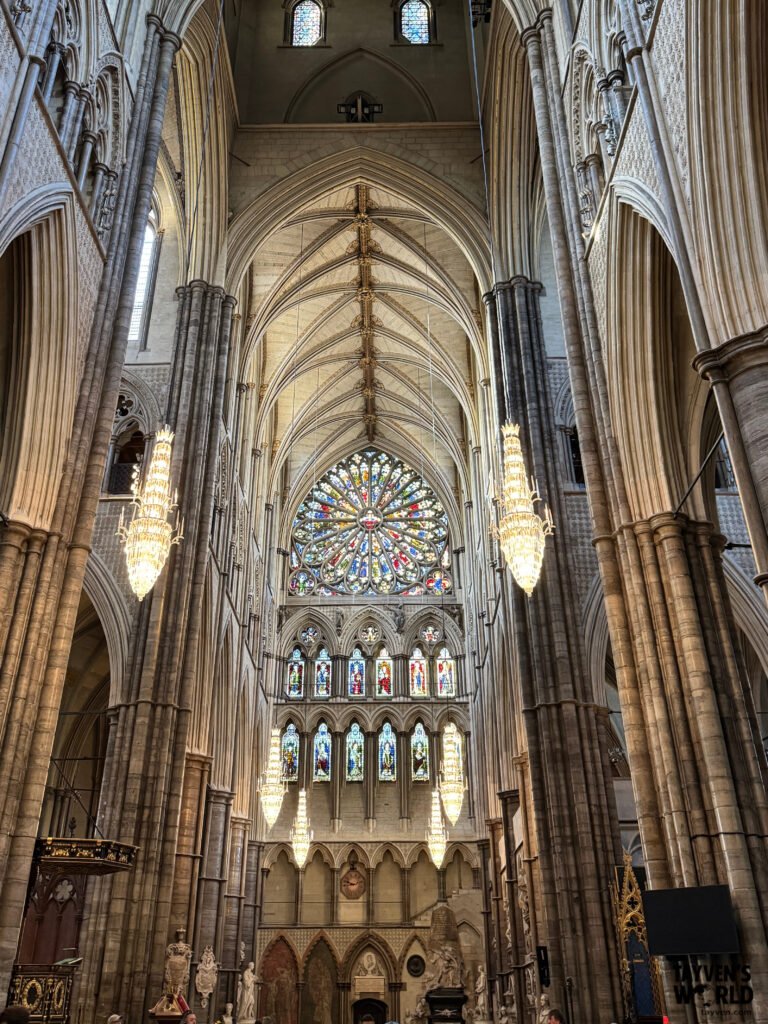
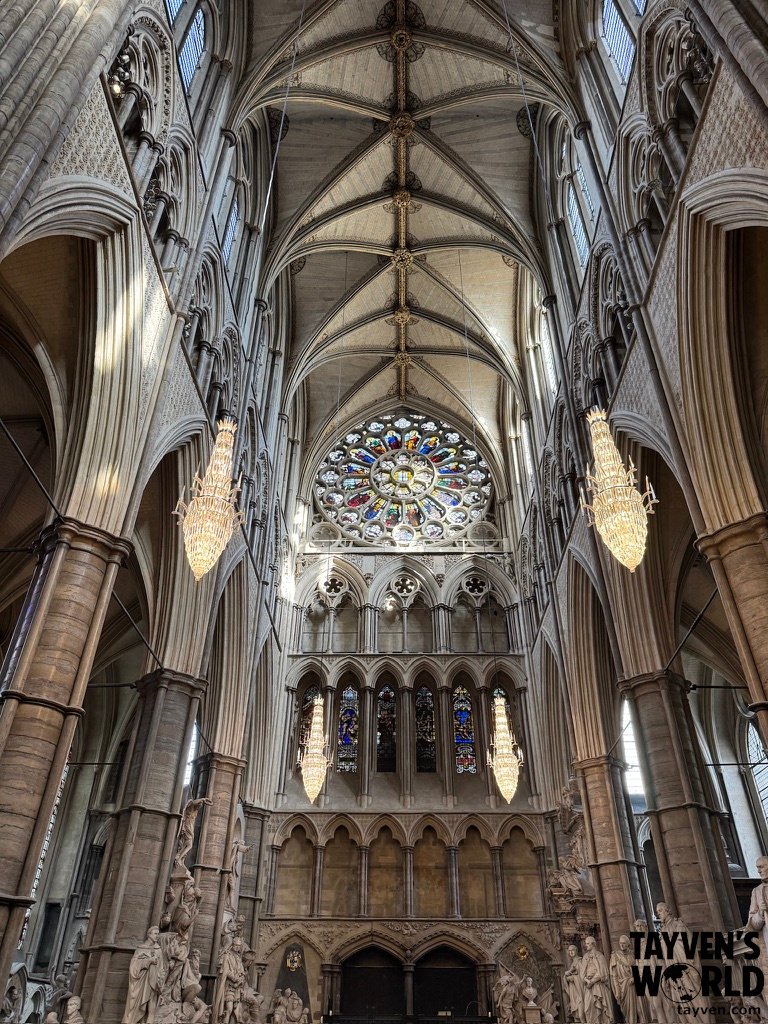
Inside, you’re immediately hit with the scale of the place. The Nave is enormous, with soaring stone pillars and chandeliers hanging from the ceiling. At the far end is the Great West Window, a huge Gothic stained‑glass window filled with biblical figures and saints.
The Quire
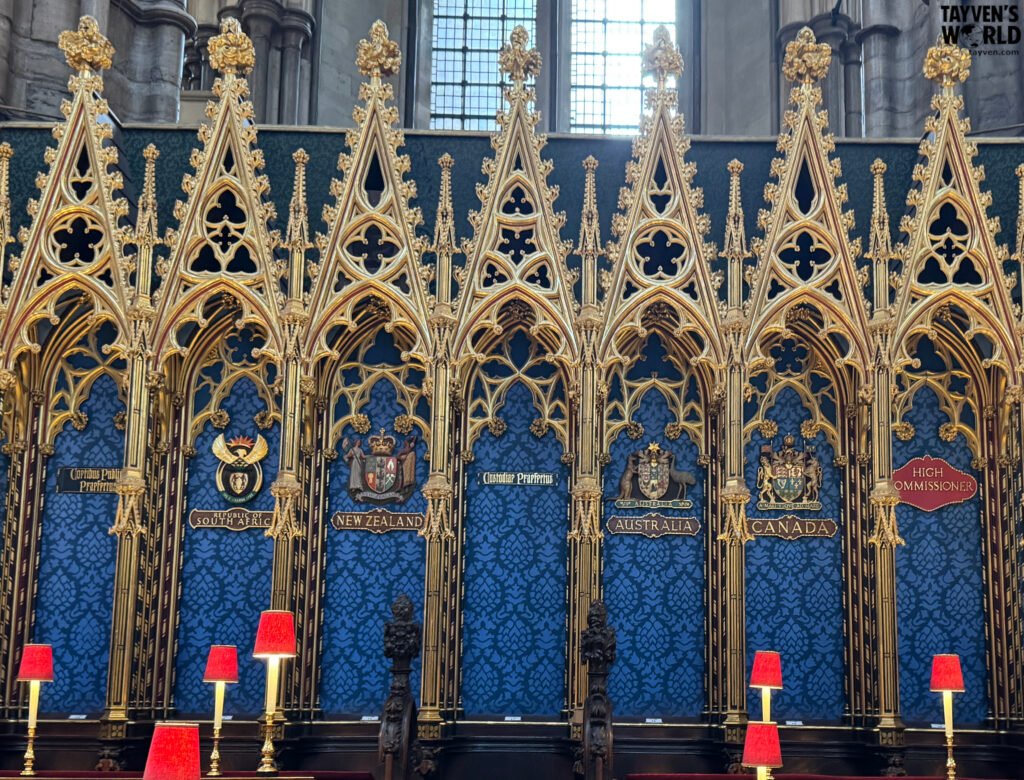
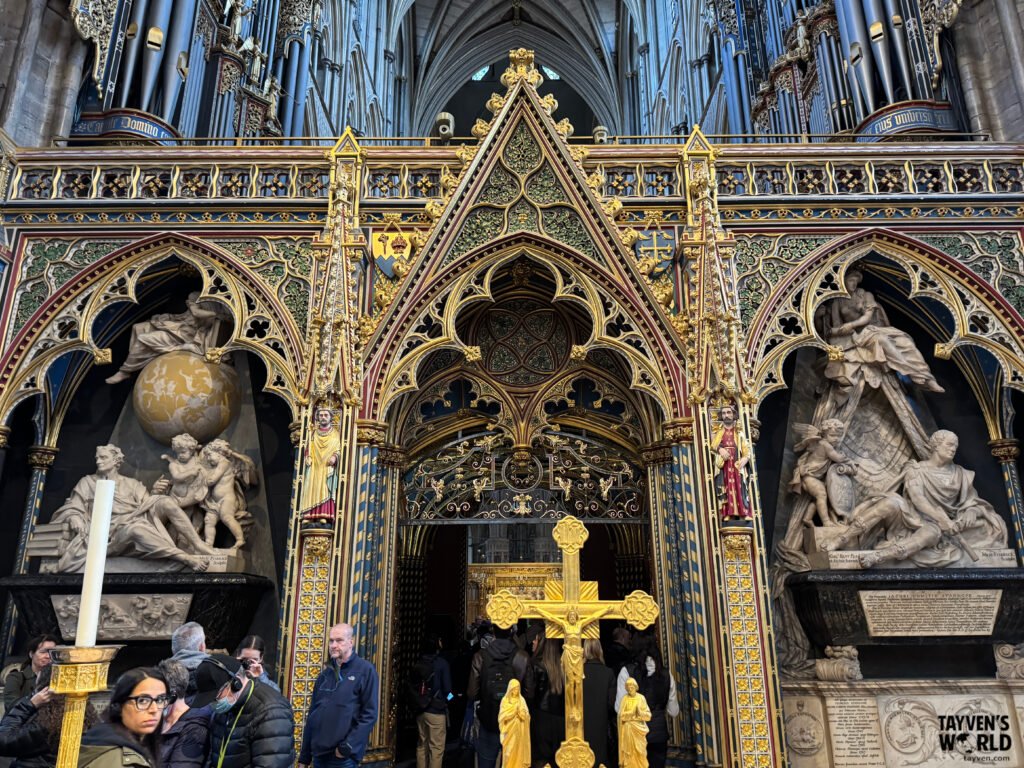
Walking deeper into the Abbey, you pass through the ornate Quire Screen, a gilded stone archway, into the Quire, where the choir sits during services. It feels intimate compared to the Nave, but no less ornate.
The High Altar
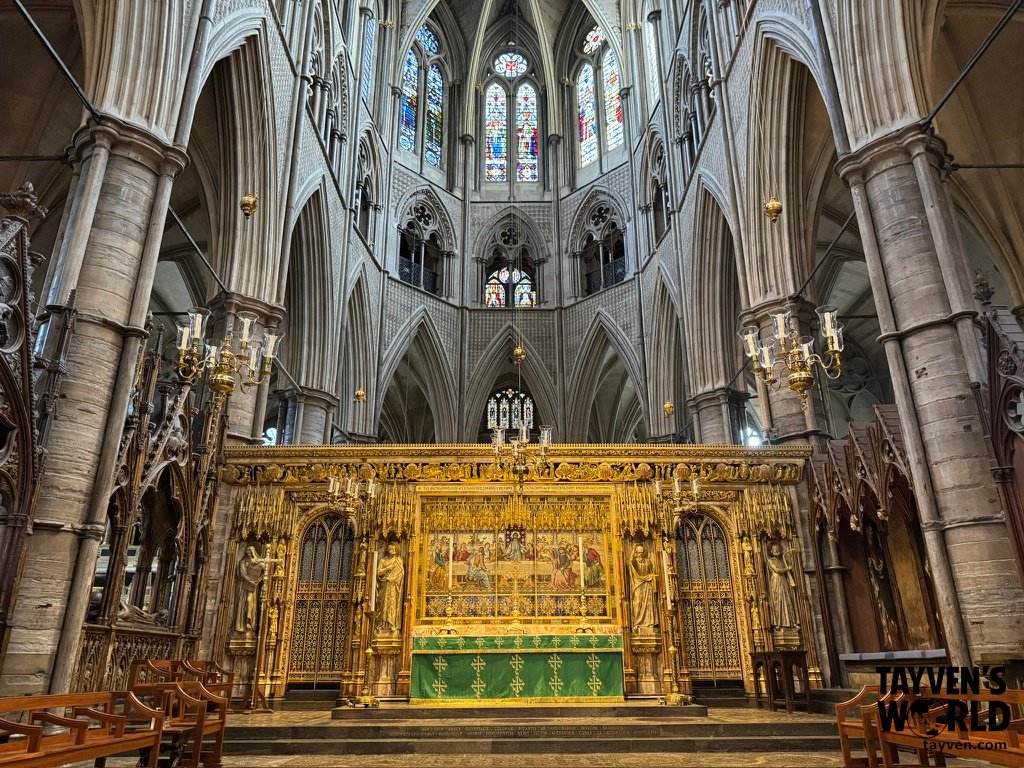
Then you reach the High Altar, the spot you’ve probably seen on TV during coronations. To the left and right are the seats reserved for guests, including sections for Australia, New Zealand, Canada, and South Africa as part of the Commonwealth.
The stonework here is unbelievably ornate. Every pillar, arch, and carving feels like it was made with impossible patience.
Royal Tombs & Chapels
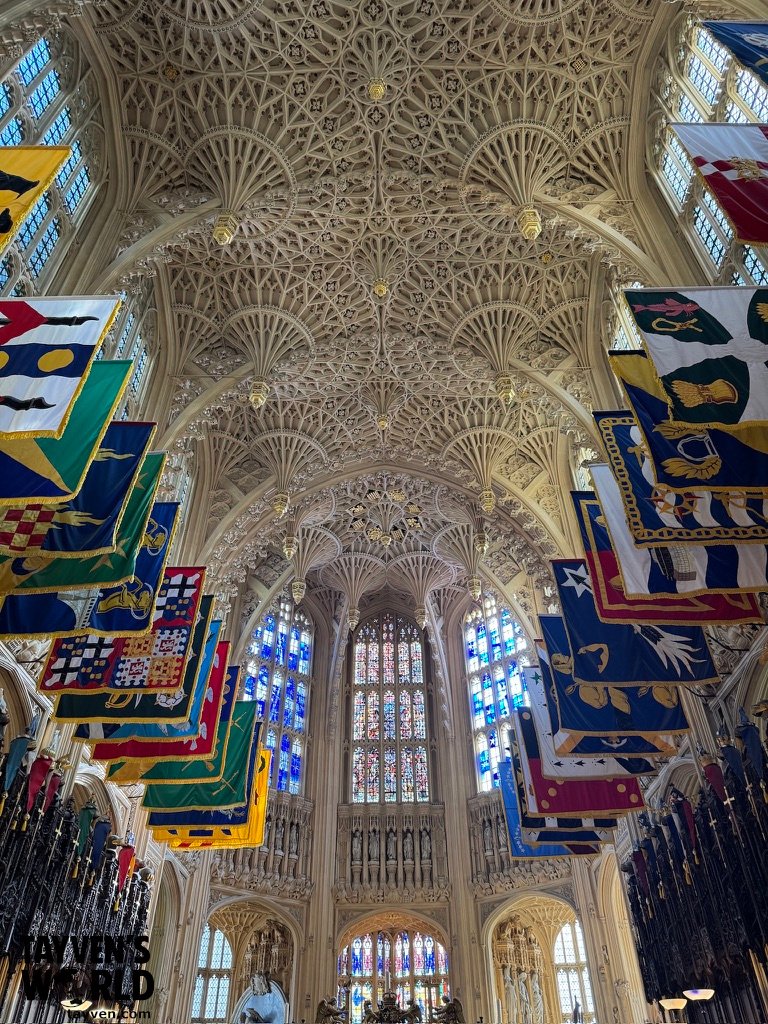
From here, you wander through the Abbey’s many chapels where kings and queens are buried. Each monarch has their own tomb, decorated in their own style. Some are enormous and elaborate; others are surprisingly modest. Knowing the history behind a few of these rulers, you can almost imagine some of their enemies being “strategically relocated” to smaller rooms over the centuries.
Some of these areas can build up a queue later in the day, but because we arrived early and were among the first inside, we skipped most of the lines.
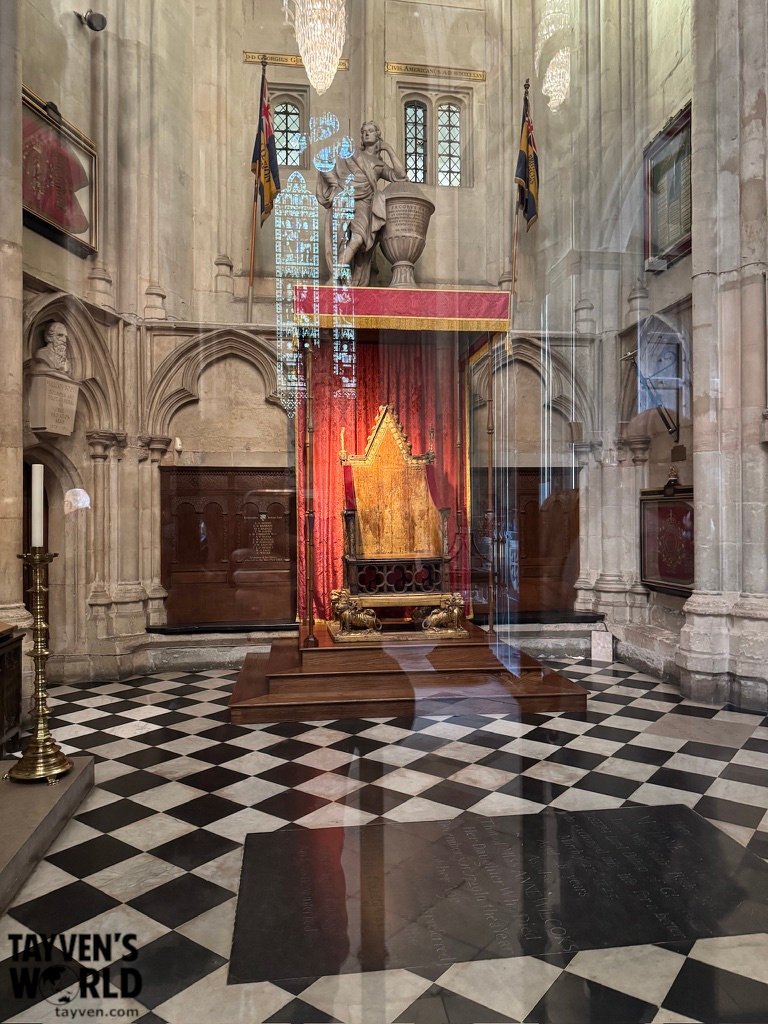
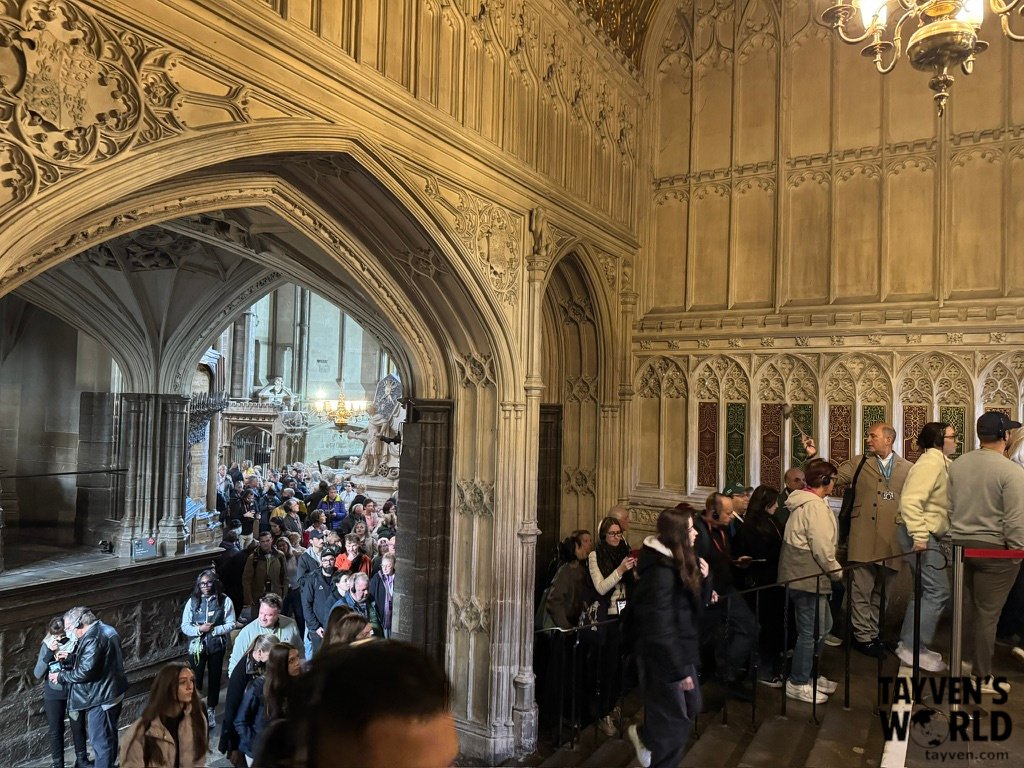
The Cloisters
Before leaving, you can step outside into the Cloisters. A peaceful courtyard garden that feels like a completely different world. Out here you’ll find memorials to people like Sir Ernest Shackleton, the Antarctic explorer, and Sir Francis Drake, the real historical figure who inspired the Uncharted video game series. (Sadly, no hidden treasure was uncovered.)
After exploring the cloisters, we headed back into the main hall for one last look around before exiting through the gift shop and stepping back out into the City of Westminster.
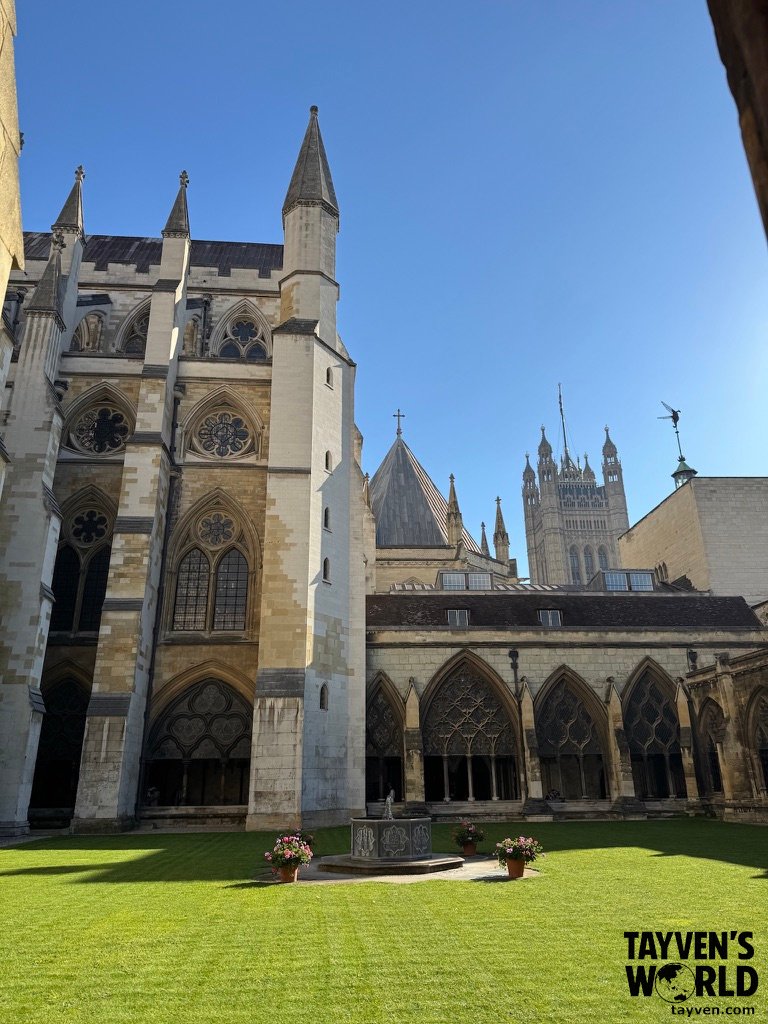
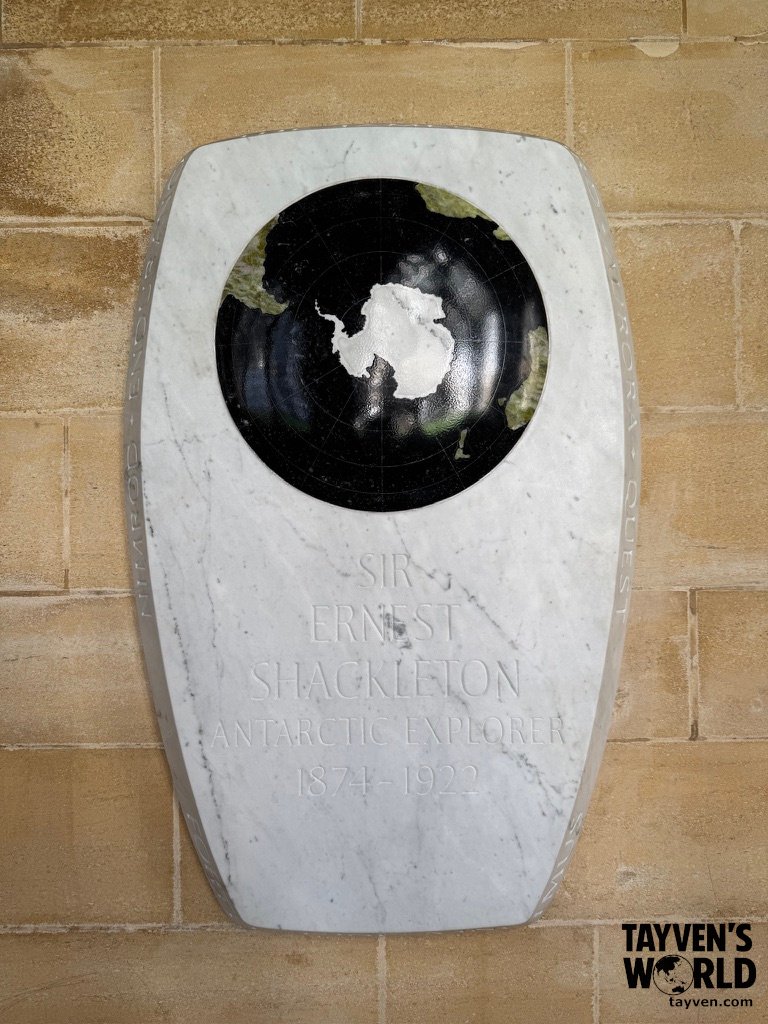
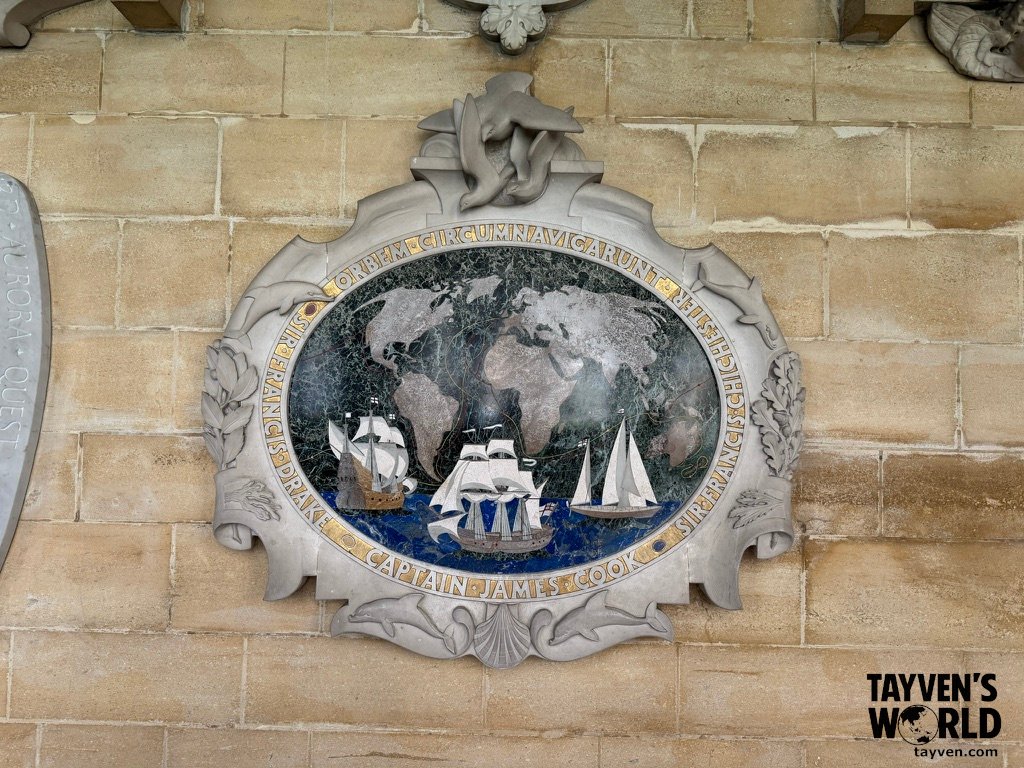
The Queen’s Diamond Jubilee Galleries
If you want to see Westminster Abbey from a completely different angle, the Queen’s Diamond Jubilee Galleries are one of the Abbey’s newest additions and one of its most impressive. Opened in 2018, these galleries sit high above the nave in the 13th‑century triforium, a space that was closed to the public for over 700 years. You reach it via the modern Weston Tower, a glass‑and‑stone structure built specifically to make this hidden level accessible.
Inside, you’ll find some of the Abbey’s most important treasures: medieval manuscripts, royal marriage licences, funeral effigies, architectural fragments, and the Liber Regalis, the 14th‑century coronation manual still used as the basis for modern coronations. The real showstopper, though, is the view, standing 16 metres above the nave and looking down through the arches, you see the Abbey’s layout in a way most visitors never do.
I didn’t know about this before our visit, so we missed out, but since you’re reading this, you won’t.
The Clocks and Sundials of Westminster Abbey
On our way out we admired the external clocks and sundials.
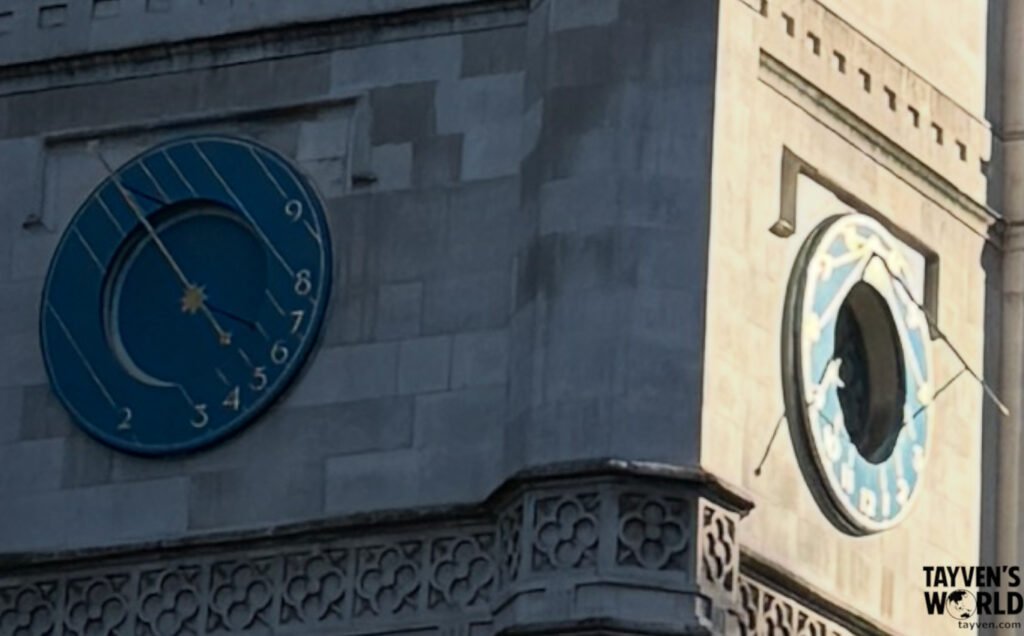
Westminster Abbey is home to a surprisingly rich collection of historic timekeeping devices. High on the west front sits a one‑handed ecclesiastical clock from 1738, designed to mark broad prayer intervals rather than precise minutes, which explains its unusual compass‑like dial. On the transept towers, two painted vertical sundials survive from earlier centuries, including the blue‑and‑gold sundial on the north side that many visitors mistake for a clock. Together, these devices trace the Abbey’s evolution from solar time to mechanical time.
Quick facts for clock nerds (like me)
- West Front Clock (1738): One‑handed ecclesiastical clock marking canonical hours.
- Maker: Attributed to clockmaker John Seddon.
- Dial Style: Compass‑like, uneven hour spacing, no minute hand.
- North Transept Sundial: Blue‑and‑gold vertical sundial with a projecting gnomon.
- South Transept Sundial: Companion sundial on the opposite transept tower.
- Historical Arc: Solar time → monastic time → mechanical time.
What to See Nearby (All Walkable)
Top Tips for Visiting Westminster Abbey
- Book in advance! The walk‑up line was huge even at 9:30am. Pre‑booking saved us a ton of time.
- Go early? As early risers, we naturally beat the crowds and it made a massive difference.
- Crowds are manageable: It’s popular, but it never felt overwhelming. The Abbey stays cool inside, so you don’t feel overheated or claustrophobic.
- Give yourself 90 minutes minimum: Two hours is ideal if you want to explore the chapels properly.
Westminster Abbey FAQ
- Is Westminster Abbey worth visiting? Absolutely, it’s one of the most historic and emotionally powerful buildings in London.
- How long do you need inside? 90 minutes minimum, 2 hours ideal.
- Do you need to book tickets in advance? Yes. Walk‑up lines can be extremely long.
- Is Westminster Abbey suitable for kids? Yes, the audio guide and the tombs make it surprisingly engaging.
- Prices: Check the latest admission and add‑on costs on the official Westminster Abbey prices page.
The Queen’s Diamond Jubilee Galleries FAQ
- Do I need a separate ticket? Yes, the Galleries are a small paid add‑on with timed entry.
- How do I get there? Access is via the Weston Tower, which has both a lift and stairs.
- How long does it take? Most visitors spend 20-30 minutes inside.
- Where can I check current prices? See the latest costs on the official Westminster Abbey prices page.
Westminster Abbey is one of those places that stays with you long after you’ve stepped back outside into the noise of London. The history, the architecture, the sheer weight of everything that’s happened inside those walls, it’s impossible not to feel it. If you’re planning your own visit, go early, take your time, and let the place speak for itself. And if you’re exploring more of London, I’ve linked a few of our other stories below to help you plan the rest of your trip.
More London & Europe Travel Articles
London Series:
- Our Real 5‑Day London Itinerary: What We Planned vs What Actually Happened
- St Paul’s Cathedral London: History, Blitz Survival, Tickets, Tube Guide & Our First-Day Experience
- British Museum First‑Time Guide: A Morning in Bloomsbury
- London Eye: A First‑Time Visitor’s Experience Above the Thames
- Battersea Power Station: From Industrial Giant to London’s Newest Urban Playground
- A Perfect Day in South Kensington: Museums, Parks & Retro Gaming Nostalgia
- River Cruise Along the Thames: From Buckingham Palace Mornings to Bloomsbury Nights
- Our Final Day in London: Royal Dawn, Parliament Secrets, West End Magic, and the Feeling of Not Wanting to Leave
Paris Series:
- London to Paris on the Eurostar: A First‑Timer’s Story & Complete Guide
- Paris Day 2: A Rainy Start, a Seine River Cruise, and Paris Finally Opening Up
Europe Series: